Replace high-use products like kitchen sponges every one to two weeks and air filters every three months to maintain a healthy home environment. Knowing how often to replace household items is essential for safety and hygiene, as items like smoke detector batteries need annual attention while pillows should be swapped every one to two years.
Many homeowners struggle with the quiet accumulation of household items that have long outlived their purpose. From the hidden bacteria in an old kitchen sponge to the diminished support of a well worn mattress, it is often difficult to discern when an essential has transitioned from a utility to a liability. Maintaining a thoughtful home requires more than just regular cleaning; it demands a keen understanding of when to refresh your environment for optimal hygiene and safety. In this guide, we outline the necessary replacement cycles for your kitchen, bedroom, and safety systems. You will discover how to transition toward a Buy It For Life philosophy by choosing curated, high quality goods over the disposable alternatives found at big box retailers. Let us help you cultivate a space in Duchesne that is built to last.
Understanding Replacement Cycles for a Healthier Home
Maintaining a healthy home involves more than just keeping surfaces clean; it requires a strategic understanding of the lifecycles of the objects within it. While high quality tools and furniture can often be considered lifelong investments, many everyday goods have a finite shelf life governed by health and safety standards rather than just physical appearance. Knowing how often to replace household items is a matter of distinguishing between mechanical wear and hygienic degradation.
Mechanical wear is usually visible. A drawer slide sticks, a tool handle cracks, or a fabric thins until it tears. However, hygienic degradation is often invisible to the naked eye. Over time, porous materials like sponges, textiles, and bedding accumulate bacteria, moisture, and allergens that regular cleaning cannot fully eradicate. At Thelmas Shops, our approach to a curated selection of everyday essentials focuses on this balance. We believe in simplicity and value, which means prioritizing items built for longevity while recognizing when an object has become a liability to your home’s environment. By understanding these cycles, you can move away from cluttered cabinets and toward a more intentional living space. You can learn more about our community focused mission and how we vet products for both utility and safety to help you make informed decisions for your household.
Kitchen Essentials: When to Swap Your Sponges and Textiles
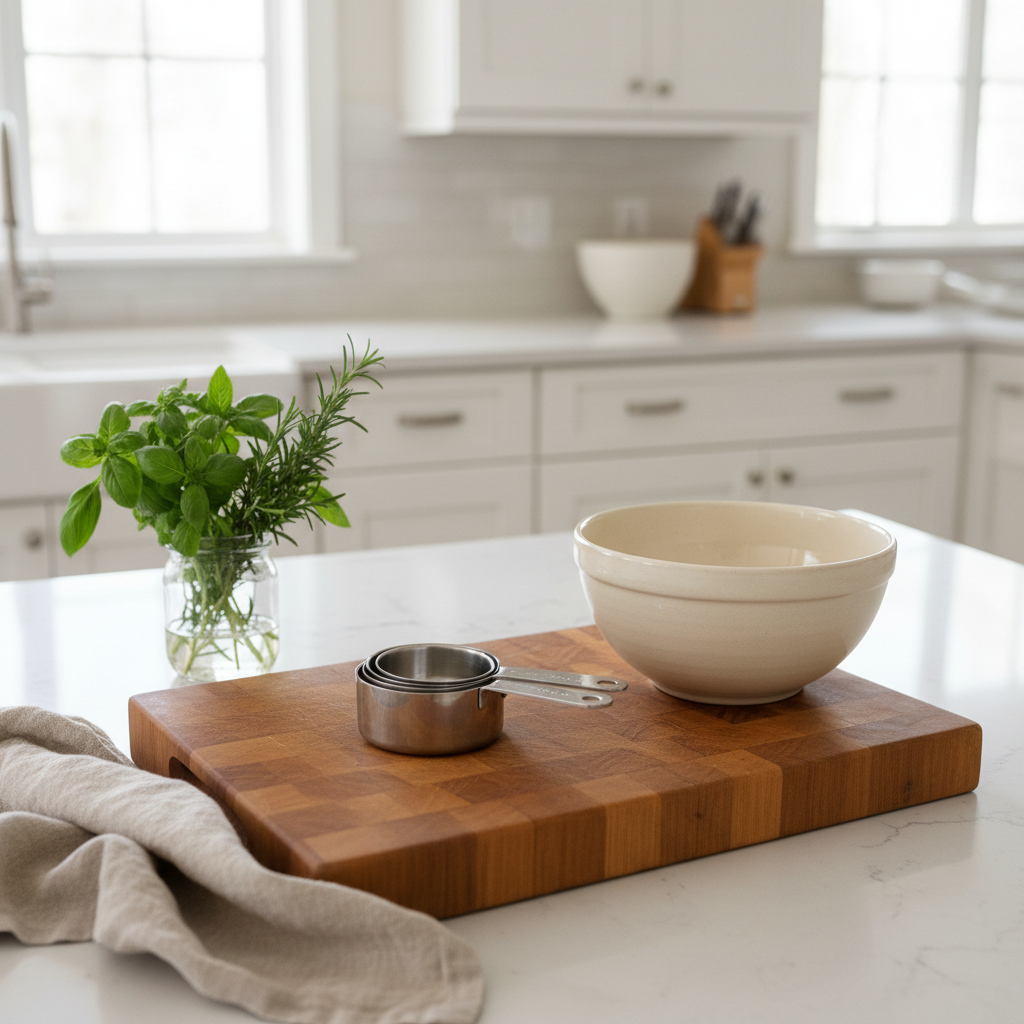
The kitchen serves as the hub of the home, but its high moisture levels make it a primary environment for bacterial growth. Among the most critical items to monitor are sponges. Because their porous structure traps food particles and moisture, sponges become breeding grounds for pathogens like E. coli and Salmonella. To maintain a safe prep surface, you should replace standard kitchen sponges every 1 to 2 weeks. Even with frequent rinsing, the internal structure of a sponge cannot be fully sanitized, making regular disposal a necessity for food safety.
Kitchen textiles, such as dishcloths and hand towels, offer a longer functional life but still require a rotation strategy. High-quality cotton or linen towels can last between 1 to 2 years if they are laundered in hot water every few days. You will know it is time for a replacement when the fibers begin to thin, leading to a noticeable loss in absorbency. Furthermore, if a towel retains a musty odor even after a deep cleaning, it is likely due to a buildup of bacteria and detergent residue that has bonded to the fabric. At this stage, the textile is no longer effective at drying or cleaning surfaces efficiently.
One way to improve the sustainability of your kitchen is to transition away from low-grade disposables toward more durable tools. A curated selection of everyday essentials often includes items like natural fiber cloths or high-quality dish brushes. Unlike sponges, brushes are non-porous and dry quickly, which significantly inhibits bacterial growth. These tools can be sanitized in the dishwasher and often last several months, providing better long-term value. By being intentional about how often to replace household items in the kitchen, you can reduce waste while ensuring your cleaning tools are actually keeping your home clean.
Maintenance and Safety: Filters and Detectors
Beyond the visible wear of kitchen textiles, the internal systems of your home require a different level of vigilance. These unseen components are the primary drivers of air quality and safety, yet they are often overlooked because they do not show immediate signs of filth. To keep your environment healthy, you must establish a strict schedule for how often to replace household items that function as barriers against contaminants.
In Duchesne, the local environment plays a significant role in filter lifespan. During the spring pollen surges and the dry, dusty summer months typical of Utah, HVAC air filters should be replaced every 60 to 90 days. High-use periods, such as peak heating or cooling seasons, may require a swap at the 60-day mark to ensure the system remains efficient and the air stays clear of fine particulates. Clogged filters not only degrade air quality but also put unnecessary strain on your mechanical systems, leading to higher utility costs.
Water and safety systems require similar precision to remain effective:
Refrigerator Water Filters: Replace these every 6 months to prevent carbon exhaustion and ensure the removal of lead, chlorine, and minerals.
Smoke and CO Detector Batteries: Swap these every 6 to 12 months. A reliable method is to change them whenever you adjust your clocks for daylight saving time.
Whole Detector Units: Sensors in smoke detectors eventually degrade; replace the entire unit every 10 years regardless of battery life.
Maintaining these cycles ensures that your home functions as a safe, efficient sanctuary. If you are looking for specific hardware or specialized maintenance tools, you can contact us for product availability. We focus on providing a curated selection of everyday essentials that meet these practical, high-standard needs without the clutter of low-quality alternatives.
Personal Care and Bedroom: Replacing for Comfort and Hygiene
Personal hygiene and sleep quality are directly tied to the condition of the items you use every day. While a pillow might still look clean, its internal structure begins to collapse within one to two years. Over time, the materials that provide neck and head support lose their resilience, often leading to poor spinal alignment and morning discomfort. Additionally, pillows act as a collection point for allergens and skin cells, making regular replacement a matter of respiratory health as much as physical comfort.
In the bathroom, the timeline for a toothbrush is much shorter. You should replace your toothbrush or brush head every three months. As the bristles fray and bend, they become less effective at removing plaque from hard to reach areas. Once the bristles lose their rigidity, they can also become abrasive to the gums without providing the necessary cleaning power. Monitoring these small details is a central part of maintaining a healthy daily routine.
Bath towels generally have a functional lifespan of about two years. The frequent cycle of getting wet and being laundered eventually breaks down the cotton fibers, which is why older towels feel thin and lose their ability to absorb water effectively. When considering how often to replace household items like these, the initial quality of the textile matters significantly. Choosing high GSM (grams per square meter) cotton or specialized weaves from a curated selection of everyday essentials can extend this lifecycle. Better construction means the fibers remain intact longer, providing comfort and utility well beyond what a budget alternative can offer. If you have questions about specific fabric weights or material durability, you can contact us for product availability to find the right balance of longevity and softness for your home.
The Buy It For Life Philosophy: How to Buy Fewer, Better Things
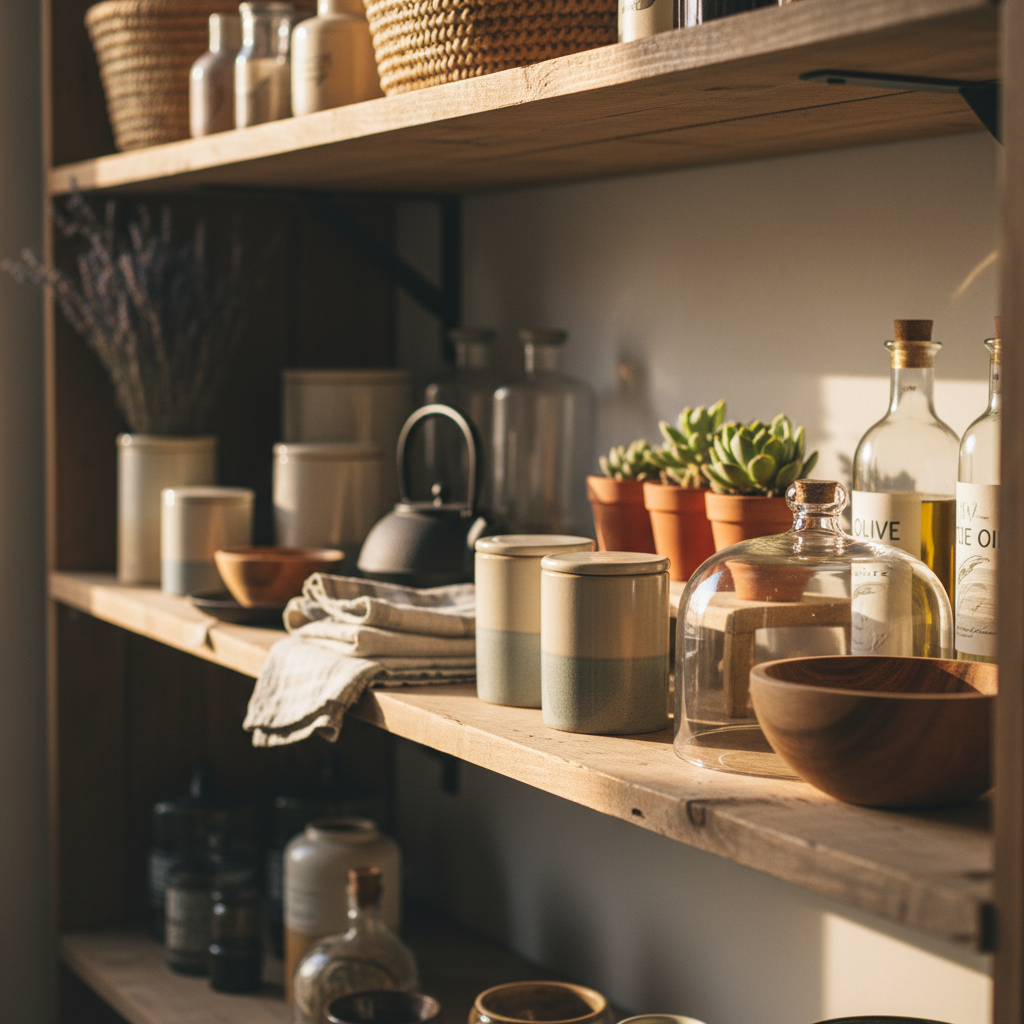
Shifting focus from hygiene-based replacement to investment-based selection changes the fundamental math of home ownership. Instead of asking how often to replace household items, the goal becomes finding pieces that never need to be discarded. This is the foundation of the Buy It For Life philosophy. It is a commitment to durability that moves away from the cycle of disposable goods and toward items that can be maintained, repaired, or even passed down to the next generation.
Identifying true quality requires looking past marketing and examining specific physical characteristics. When selecting kitchenware or tools, prioritize materials that do not have a failure point built into them. For example, a cast iron skillet offers a lifetime of service because it lacks the chemical coatings found in non-stick pans that inevitably flake and fail. Similarly, furniture constructed from solid wood provides structural integrity and the ability to be refinished, whereas particle board relies on glues and compressed fibers that degrade when exposed to weight or moisture.
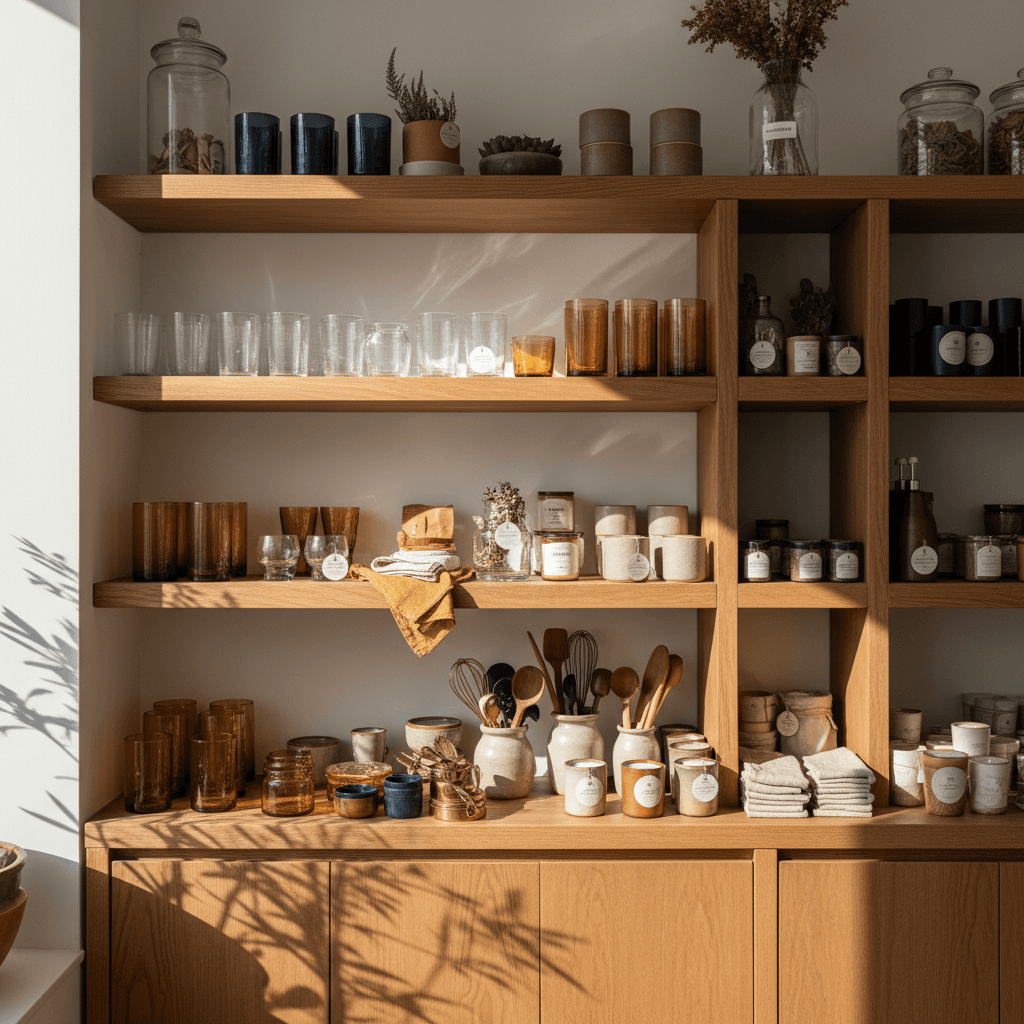
Construction methods also reveal a product's intended lifespan. Look for mechanical fasteners, heavy-gauge metals, and reinforced stress points rather than items held together by simple adhesives. In textiles, check for tight weaves and finished seams that prevent fraying. At Thelmas Shops, our approach centers on a curated selection of everyday essentials that meet these rigorous standards. We search for unique products that are useful and built with a sense of permanence, allowing you to ignore temporary trends in favor of lasting utility.
By choosing these higher-quality options, you reduce the clutter in your home and the environmental impact of frequent replacements. This focus on longevity is central to about our community focused mission, where we aim to simplify life for Duchesne residents by vetting the goods ourselves. Investing in a superior tool or household staple may carry a higher initial price, but the total cost of ownership is far lower when a single purchase lasts a lifetime.
Why Curated Shopping Beats the Big Box Experience in Duchesne

Residents in Duchesne know that a trip to a distant regional hub for supplies can often be a gamble. Generic big box retailers typically prioritize high volume over structural durability, filling their shelves with flimsy goods that fail well before their time. Shopping at a local marketplace like Thelmas Shops eliminates this uncertainty. By offering a curated selection of everyday essentials, we act as a quality filter for our community.
We have already performed the rigorous vetting process for you, selecting only those items that meet practical standards for longevity and performance. This ensures you are not just buying a temporary fix, but a product intentionally chosen for its ability to withstand the rigors of a busy Utah household. This local expertise builds a foundation of trust that generic retailers cannot replicate. We understand that our neighbors value simplicity and reliability over unnecessary complexity.
When you are determining how often to replace household items, having a dependable local source ensures you stay out of the cycle of frequent, low-quality purchases. Our about our community focused mission is built on providing lasting value through thoughtful selection. If you have questions about which tools or textiles are best suited for your specific needs, you can contact us for product availability to see our current inventory of vetted goods.